
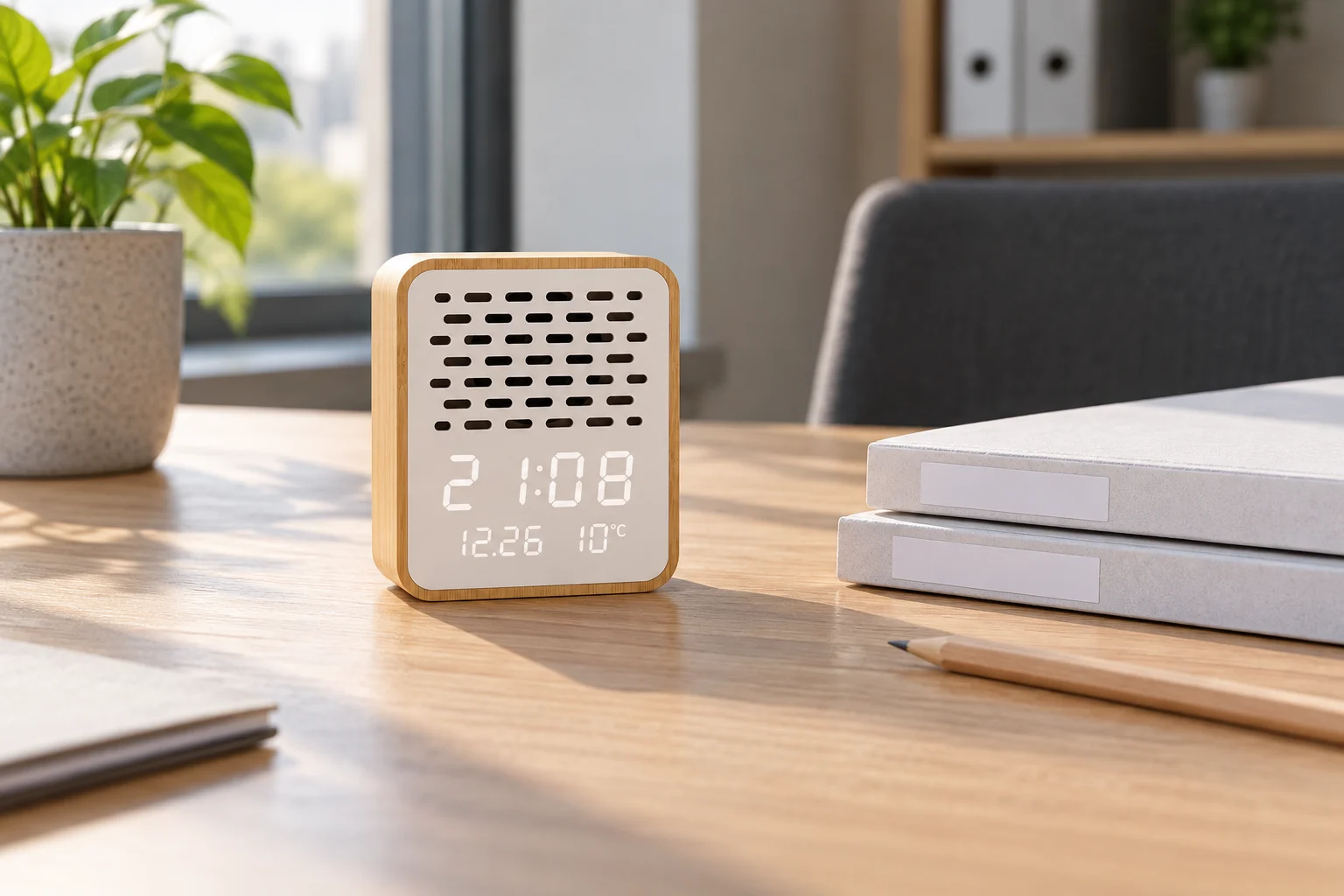
AI-generated change-review concept based on Y130-3, not an actual component-change or inspection record. The folders are illustrative props.
Bluetooth Speaker OEM: What to Review When a Component Changes
Connect a proposed component change to the approved sample, review evidence and production version before release.
Define the change before deciding on a new sample
Ask the supplier to identify the original and proposed part or revision, the reason for the change and the orders it could affect. “Same function, different supplier” is a starting explanation, not a complete approval record. Purchasing and technical reviewers need a common description of the proposed configuration.
Separate a change to an external feature from a change that cannot be seen. A different grille finish can be reviewed visually; a different electronic component may need technical assessment. Do not assume that keeping the enclosure and model name unchanged means the rest of the approved evidence remains applicable.
Agree whether the change is only proposed, already used in a sample, or included in any production stock. Keep unapproved and approved configurations distinguishable. If production has already started, ask for the affected order and batch scope before discussing the next shipment.
Use the actual model as the reference
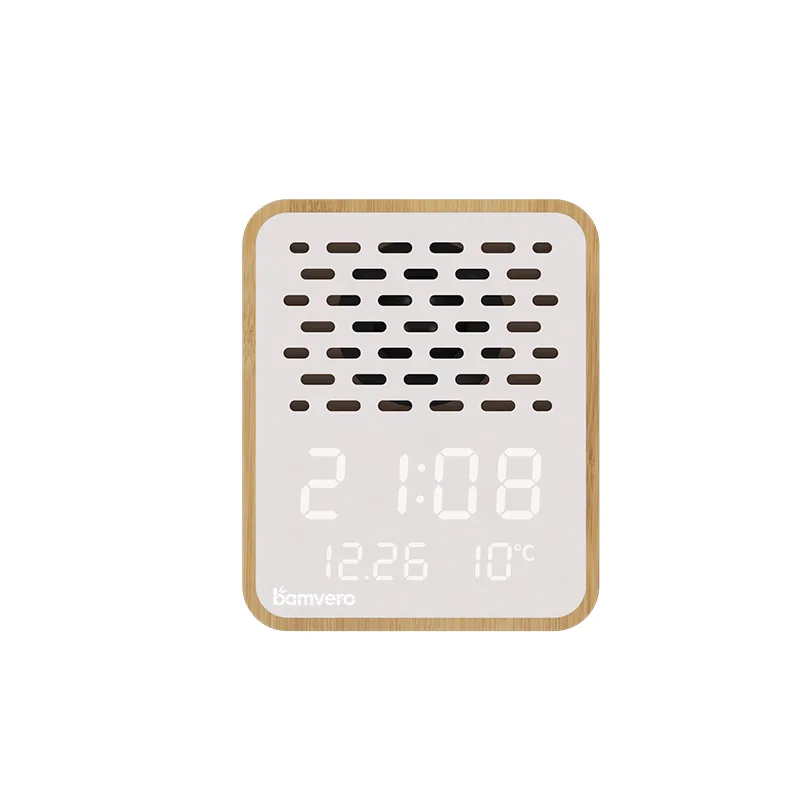
The Y130-3 speaker alarm clock has a horizontal-slot front grille and a display for time, date and temperature. Those visible features help identify the model. They do not establish which internal parts or firmware version are fitted to a particular sample.
Record the approved sample identifier alongside the model, specification revision, accessories and instructions. If a revision identifier is not available on the product itself, agree on a practical way to connect the sample, quotation and production records. Do not create an identification scheme that the supplier cannot maintain.
Compare the proposed unit with that reference rather than with a similar product in a catalogue. A useful discussion states what stays the same as well as what changes. The buyer should be able to explain which earlier approvals remain valid and which need to be reopened.
Match the review to the possible impact
A housing or grille proposal may require a review of fit, finish, control access and the assembled product's sound. A change affecting power or electronic operation needs review by the supplier's responsible technical team. These are examples of questions to raise, not a diagnosis of the Y130-3 or permission to substitute any particular part.
For a speaker clock, discuss the functions that matter to the agreed order: connection and playback, display behaviour, button operation and any specified alarm functions. Ask the supplier to propose checks that cover the affected functions and explain why unchanged functions do or do not need another review.
Do not infer that an existing test report or declaration automatically covers the revised configuration. Ask the responsible compliance specialist or test laboratory whether the change affects the evidence required for the destination market. The answer depends on the actual change and documentation; this guide does not determine certification validity.
Keep comparison evidence useful
Request a short before-and-after explanation, the relevant revised specification and sample evidence appropriate to the change. Where a new physical sample is needed, label it clearly and keep the original reference available. A photograph alone cannot establish audio performance or electrical characteristics.
For buyer-level comparisons, keep the setup consistent and record what was used. A different source device, audio track or accessory can make a comparison harder to interpret. Agree technical test conditions with the responsible team rather than inventing a universal pass threshold for every speaker.
State the decision explicitly: approved, rejected or pending further evidence. A reply such as “looks fine” should not silently approve changes that were not visible in the attached photograph. Use OEM project support to clarify who owns the technical review and who authorizes the commercial release.
Update the documents that travel with the order
Once a change is accepted, check whether the specification, instructions, packaging information and sales description need revision. For example, a different control sequence should not be supplied with instructions describing the old one. Confirm the actual consequence rather than rewriting every document automatically.
Agree how the first revised batch will be identified and how existing stock will be handled. A distributor receiving both configurations needs enough information to support customers accurately. This is especially important when the model name remains the same and an ordinary product photograph cannot distinguish the versions.
Close the change at production release
Before release, connect the written approval to the relevant order, sample and configuration. Confirm any agreed inspection evidence through the factory and quality-control discussion. The review is incomplete if purchasing approves one revision while the packing or inspection team still works from another.
For an inquiry, share the model, proposed change, current approval reference, order stage and destination market. Explain which functions or appearance details matter most. That gives the supplier a focused change-review task, rather than a request to promise that a new part is “exactly the same.”
Match the product to the way it will be used.
Align the target channel, product functions, destination market, branding and packaging route before approving a sample or bulk quotation.