
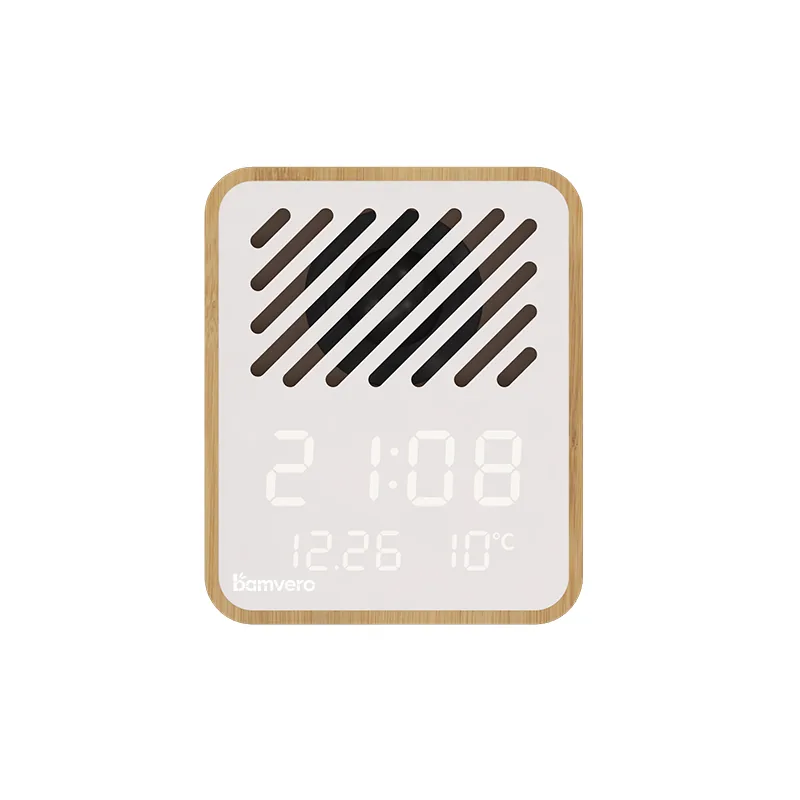
Bamboo Speaker Clock OEM: From Approved Sample to Production Inspection
Connect the approved sample to one controlled production specification, change process and repeatable inspection plan.
Before releasing a speaker clock order to production, review Bamboo speaker clock OEM sample approval checklist, Y130-1 Bluetooth speaker alarm clock, Y120 charging speaker clock and confirm the requirements for your project.
Who This Guide Is For
This guide is for brand owners, OEM project managers, importers and quality teams that have already reviewed a bamboo Bluetooth speaker clock sample and now need to connect that approval to production. The goal is not to repeat a sample checklist. It is to prevent the approved product from changing when artwork, components, packaging and production documents move between teams.
An approved sample is useful only when the buyer can identify exactly what was approved. A product photograph alone cannot define the Bluetooth module, speaker configuration, clock logic, power input, logo artwork, bamboo finish range or packed accessories. Those details need a controlled record that production and inspection teams can use.
Quick Decision Guide
| Production Control Question | Evidence to Prepare | Decision Owner |
|---|---|---|
| What exactly was approved? | Signed sample, specification, artwork and packed sample | Buyer project owner |
| What may change before production? | Written change-control list | Buyer and supplier |
| Which defects would stop shipment? | Defect classification and inspection criteria | Buyer quality team |
| How will functions be tested? | Repeatable audio, Bluetooth and clock test method | Technical reviewer |
| How will bamboo variation be judged? | Approved visual range and unacceptable examples | Brand and quality teams |
| How will corrections be verified? | Dated issue log, owner and closure evidence | Project owner |
The buyer should not authorize production while any of these records remain ambiguous. If a feature, accessory or claim is not confirmed for the exact model, mark it for supplier confirmation rather than carrying it forward as an assumption.
Convert the Approved Sample Into a Controlled Specification
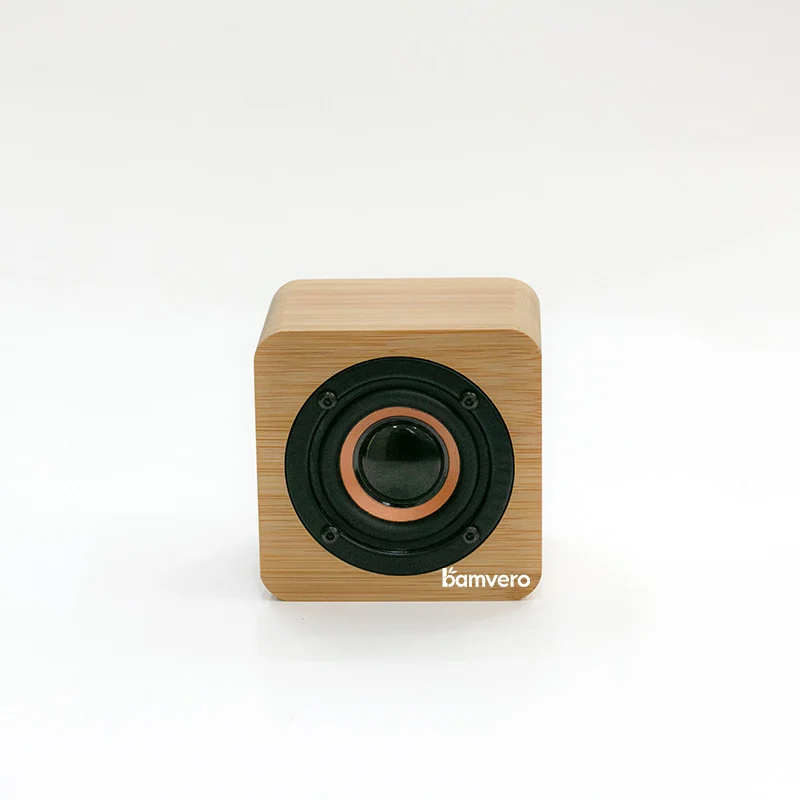
Start by giving the approved sample a reference number and approval date. Photograph the front, rear, sides, top, bottom, ports, buttons, display, speaker opening, logo and packaged contents. Record the model code and the electronics configuration that the supplier says the sample represents.
The controlled specification should separate visible details from internal or functional details:
- Product dimensions and visible construction
- Bamboo surface, color range and coating description
- Display color, brightness behavior and control sequence
- Speaker, amplifier and Bluetooth information supplied for the model
- Power connector, required input and included cable or adapter
- Alarm, snooze and other clock functions included in the approved version
- Logo file name, process, size, position and tolerance
- Packaging artwork version, insert, accessories and manual
- Destination-market labels and documents requiring verification
Use revision numbers for the specification, artwork and manual. A file named “final” is not enough when several teams exchange versions. The purchase order should reference the approved revision so production cannot silently use an earlier file.
Create a Change-Control Gate Before Materials Are Released
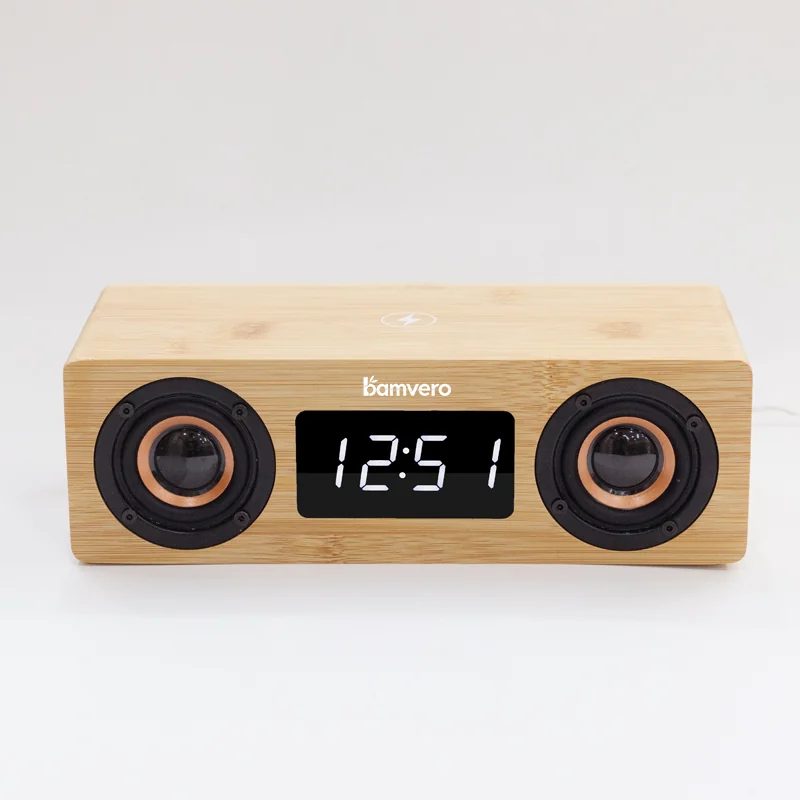
Component availability, artwork corrections and packaging changes can arise between sample approval and production. The supplier should not make a substitution simply because the finished product appears similar.
Require written approval before changing:
- Bluetooth module, speaker driver, amplifier or clock circuit
- Power supply, cable, connector or battery configuration
- Bamboo grade, construction method, coating or visible color direction
- Display component, brightness logic, button mapping or firmware
- Logo method, artwork, position or size
- Packaging structure, printed information, manual or included accessories
The change request should explain the reason, affected functions, testing required and whether a revised sample is necessary. Cosmetic changes can alter brand consistency; electronic changes can alter connectivity, sound, safety evidence and compliance scope. Both need traceability.
Build the Inspection Plan Around Buyer Risk
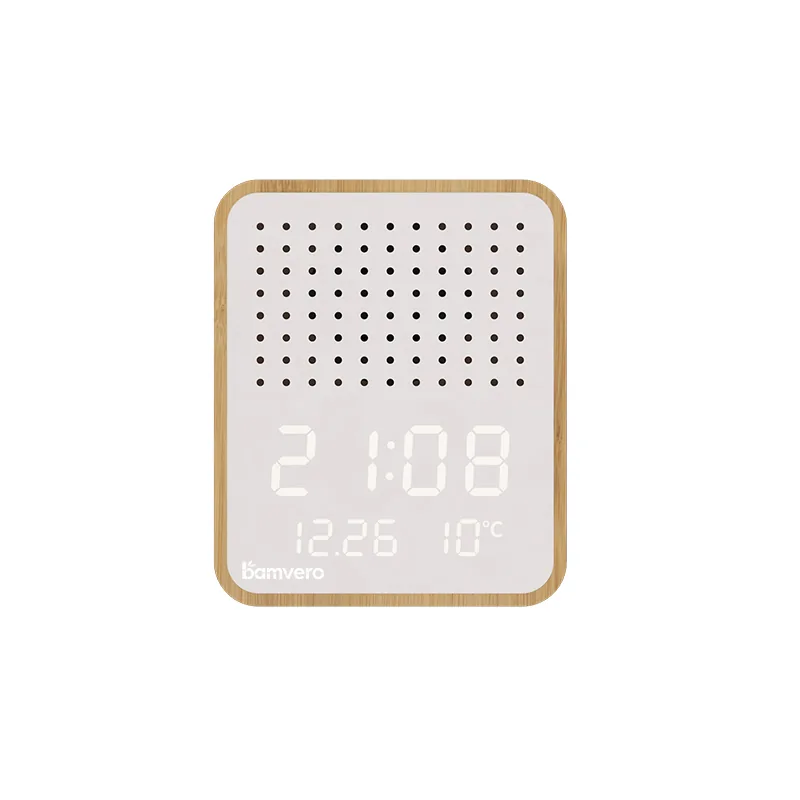
A useful inspection plan does more than list features. It classifies problems by their commercial effect and defines how the inspector will recognize them.
Critical issues may include unsafe heat, damaged electrical insulation, an unsupported regulatory mark or a configuration that differs materially from the approved safety evidence. Major issues may include Bluetooth failure, alarm failure, severe audio distortion, a non-working display, incorrect logo artwork, missing accessories or packaging that cannot protect the product. Minor issues may include small cosmetic variations that remain within the agreed visual range.
The buyer, supplier and inspection provider should agree the sampling method, defect classes and acceptance thresholds in writing. Do not copy a generic AQL number into the order without deciding what each defect means for this particular product. A small logo shift and an intermittent alarm should not be treated as equal problems.
Define Repeatable Audio, Bluetooth and Clock Tests
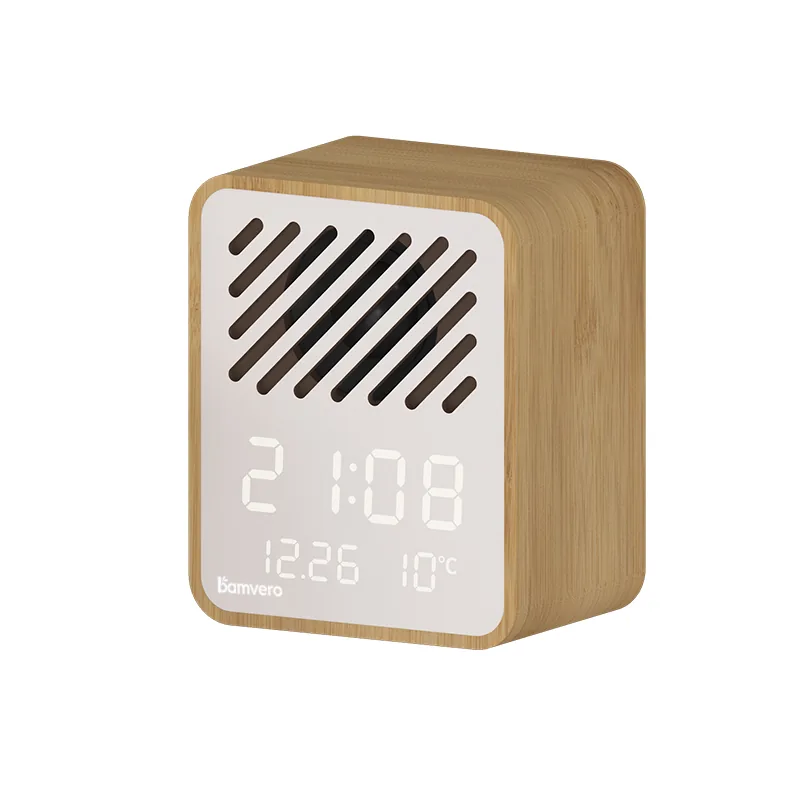
Functional tests must be repeatable across the approved sample, pre-production units and finished production. Use the same source files, representative devices, power supply and test environment whenever practical.
For audio, record the test tracks or tones, playback device, volume positions and the buyer’s acceptance observations. Listen for buzzing, rattling, unexpected volume jumps and unit-to-unit variation. The acceptance standard should match the intended bedside or desktop use, not an unrelated large speaker.
For Bluetooth, record the advertised device name, pairing sequence, reconnection behavior and representative devices. Test stability in a defined environment and document interruptions. Avoid publishing a universal range or codec claim unless the exact module documentation and test method support it.
For the clock, verify display readability in the target setting, button response, time setting, alarm, snooze and any brightness modes included in the approved configuration. Run longer checks when time drift or repeated alarms matter. Record expected behavior rather than relying on “works normally.”
Inspect Bamboo, Assembly and Logo as One Visual System
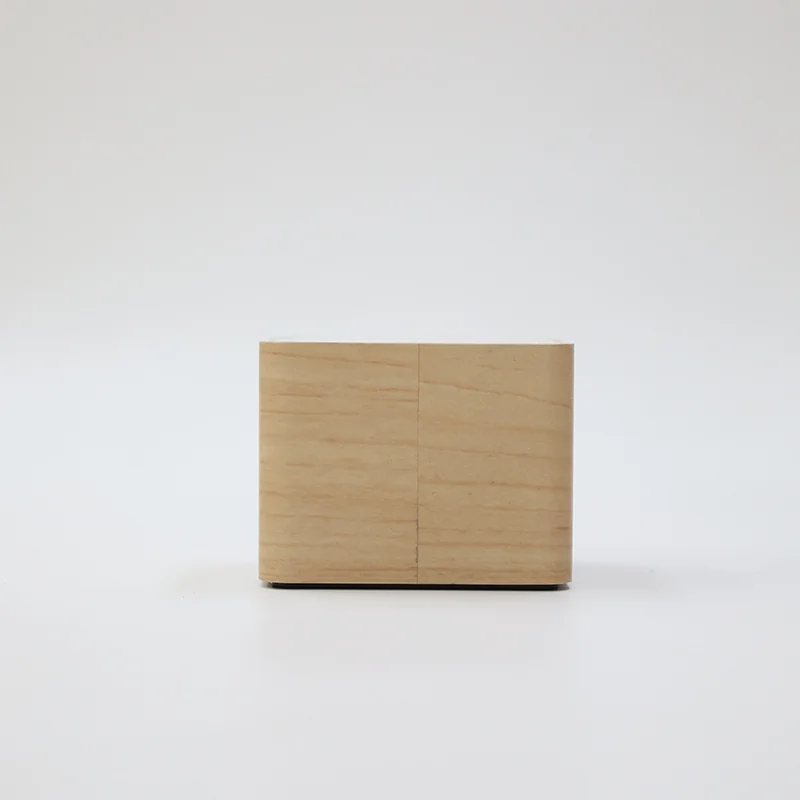
Natural grain variation is expected, but that does not excuse cracks, splinters, gaps, excess adhesive, unstable feet, visible misalignment or inconsistent coating. Create a visual reference showing acceptable natural variation and separate examples of workmanship defects.
Inspect high-visibility faces under consistent lighting. Compare the front display opening, speaker area, joints, ports and base with the approved sample. Gently handle the unit to identify loose internal parts or rattling. Confirm that buttons return properly and that the unit remains stable on a flat surface.
Logo inspection should use the approved artwork and measurement reference. Check method, contrast, edge definition, position and orientation. Laser engraving can vary with grain, while printing adds color and adhesion variables. Approve the real result on the chosen bamboo surface, not only a digital rendering.
Verify Packaging, Accessories and Documentation Together
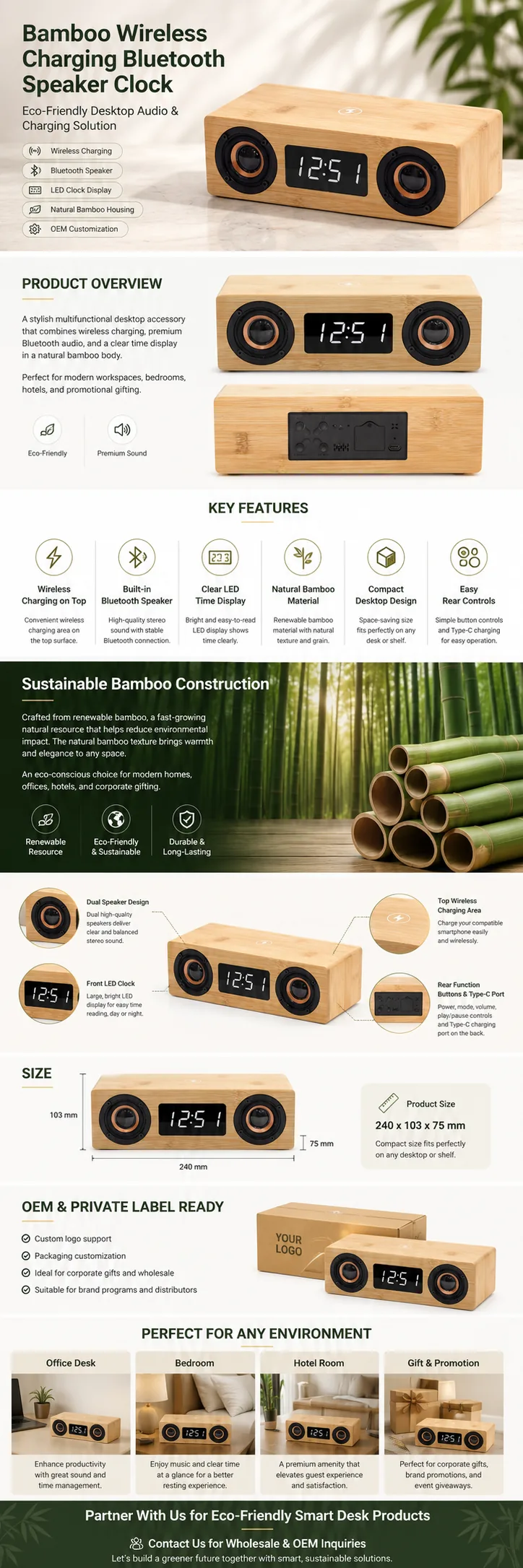
The product is not ready for shipment if the unit passes but the packed configuration is wrong. Inspect a completed retail pack and master carton rather than reviewing the box artwork separately.
Confirm:
- Correct product and finish inside the correct box
- Cable, adapter and other accessories match the specification
- Manual instructions match the actual buttons and functions
- Model code, barcode, electrical information and required labels are accurate
- Product is held securely without damaging the bamboo finish
- Master carton quantity, marks and protection match the order
Any certification or environmental statement should be supported for the exact supplied configuration. Do not copy a mark, report number or FSC statement from a related model. The destination-market importer should confirm the applicable requirements with qualified providers.
Use Pre-Production Units to Close the Handoff Gap
The first units made with production materials reveal whether the factory understood the approved sample and controlled documents. Review them before the main production run becomes difficult to correct.
Compare production materials, electronics, logo, packaging and function against the controlled reference. Close every open issue in the dated issue log. If a correction affects sound, Bluetooth, controls, power, finish or packaging protection, request physical evidence and repeat the affected test. A promise to fix the issue during the run is not closure.
The buyer should also confirm which approved reference remains at the factory and which remains with the buyer or inspection team. Both sides need the same version when a later dispute arises.
Turn Inspection Findings Into Clear Shipment Decisions
Inspection reports should connect photographs and measurements to the agreed defect definitions. A pass result does not remove the supplier’s responsibility for the full order, and a failed result should lead to a defined correction and verification route.
Use four practical outcomes:
- Release: The inspected result matches the controlled specification and acceptance plan.
- Release with documented concession: The buyer accepts a clearly described deviation for this order only.
- Rework and reinspect: Correctable problems require new evidence or inspection before release.
- Hold: A safety, functional, compliance or major configuration issue prevents shipment.
Record who made the decision, which lot it covers and whether the deviation changes future production. An informal acceptance message should not become a permanent specification change.
Common Production-Control Mistakes
Treating the golden sample as the only specification
A physical unit cannot show every internal component, firmware setting or packaging file. Keep the sample and the written specification together.
Allowing substitutions without review
A similar-looking module or power accessory can change performance and compliance scope. Use written change control.
Giving inspectors vague instructions
“Good sound” or “nice bamboo” is not repeatable. Define test inputs, visual references and defect examples.
Inspecting the product but not the packed configuration
Wrong manuals, missing cables and inaccurate labels create customer and regulatory problems even when the product functions.
Closing issues with photographs alone
Photos may confirm appearance but not intermittent Bluetooth, alarm, audio or power behavior. Repeat the relevant test after correction.
Final Production Inspection Checklist
- [ ] Approved sample, specification and artwork share a reference number
- [ ] Electronics, power, functions and accessories are clearly identified
- [ ] All material or component changes have written approval
- [ ] Critical, major and minor defects are defined for this product
- [ ] Audio, Bluetooth and clock tests use repeatable conditions
- [ ] Bamboo variation and workmanship defects are visually separated
- [ ] Logo method, dimensions and position match approved artwork
- [ ] Manual, labels and packaging match the actual configuration
- [ ] Pre-production issues have owners and closure evidence
- [ ] Final inspection results lead to a recorded shipment decision
When requesting production support, send the exact model, destination market, quantity, approved artwork, packaging route and required inspection stage. Bamvero can then align candidate models, samples and production records around one controlled project brief.
Related sourcing resources
Methodology and official references
Use official qualification and transport references only after confirming the exact Bluetooth and battery configuration. Destination-market compliance should be reviewed by qualified providers for the supplied model.
Frequently asked questions
Is an approved speaker clock sample enough for mass production?
No. Keep the physical sample together with a controlled specification covering electronics, power, functions, bamboo finish, artwork, packaging and test methods.
Which changes require buyer approval before production?
Require written approval for changes to electronics, power accessories, firmware or controls, bamboo and coating, logo, packaging, manual and included accessories.
How should bamboo variation be handled during inspection?
Create approved visual examples for acceptable grain and color variation, then classify cracks, splinters, gaps, adhesive and coating defects separately.
Can photographs close every production issue?
Photographs can verify appearance. Audio, Bluetooth, clock, alarm and power corrections require repeatable functional testing under agreed conditions.
What should the final shipment decision record include?
Record the inspected lot, result, deviations, corrective actions, decision owner and whether any concession applies only to the current order.
Build the specification before comparing the final price.
Align the target channel, product functions, destination market, branding and packaging route before approving a sample or bulk quotation.