Bamboo Electronics OEM Finish Approval: Grain, Color and Logo Tolerance
Turn natural bamboo grain, color and logo variation into a controlled visual range for sampling, production and inspection.
Before approving the appearance of a bamboo electronics order, review Private label pre-production document checklist, Custom bamboo wireless charger sample approval, Bamboo electronics compliance checklist and confirm the requirements for your project.
Who This Guide Is For
This guide is for brand owners, importers, product managers and quality teams approving the appearance of bamboo clocks, charging products, speaker clocks and desk accessories. Its purpose is to turn a subjective comment such as “match the sample” into a visual range that production and inspection teams can use.
Natural bamboo does not repeat like a printed plastic texture. Grain direction, local contrast and color can vary. That variation should not be confused with preventable defects such as cracks, splinters, excess adhesive, poor coating, damaged openings or unstable assembly. Buyers need separate rules for acceptable natural variation and unacceptable workmanship.
Quick Approval Matrix
| Review area | Acceptable range should show | Reject examples should show |
|---|---|---|
| Grain and color | Representative light, medium and darker approved units | Extreme mismatch outside the approved set |
| Logo | Readable contrast across approved surfaces | Weak, incomplete, shifted or obstructed mark |
| Edges and openings | Clean edges and functional clearance | Splinters, chips, blocked ports or rough openings |
| Assembly | Agreed joints and stable fit | Loose parts, excessive gaps or visible adhesive |
| Coating and surface | Agreed sheen and touch | Runs, scratches, contamination or patchy finish |
| Packed product | Protected approved surfaces | Rubbing, movement or accessory contact damage |
Do not use one beauty photograph as the entire standard. A single image cannot describe the variation allowed across a production order.
Separate Natural Variation From Production Defects
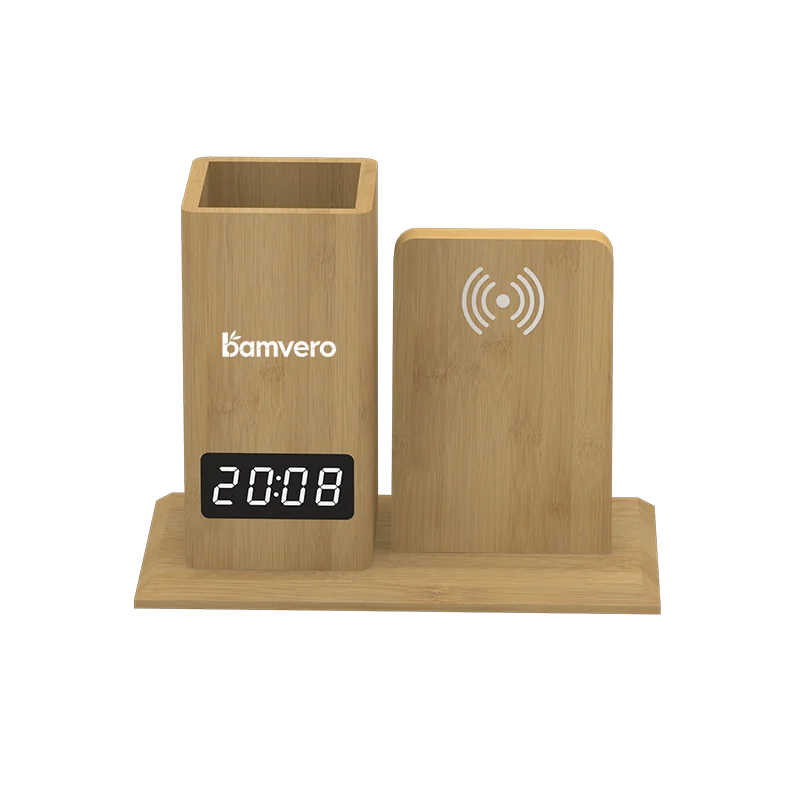
Start by classifying what comes from the material and what comes from processing. Natural grain direction and moderate color differences may be acceptable when they remain within the approved visual range. Cracks, sharp splinters, unstable joints, blocked ports, coating contamination and assembly damage should be classified separately.
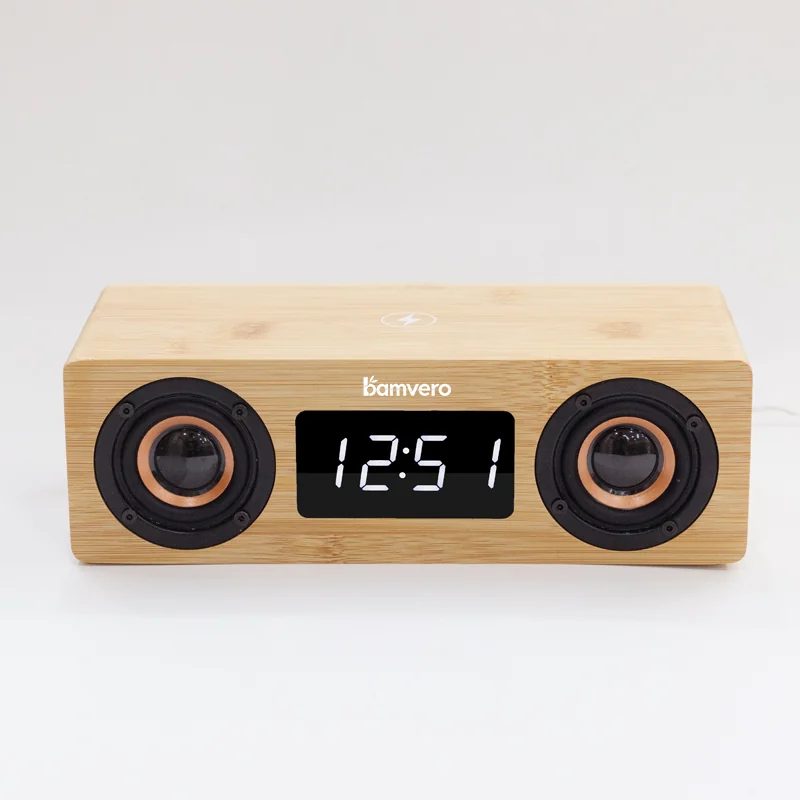
Build a defect list around the exact model. A charging clock has openings, a display window and a charging area. A speaker clock adds a grille and control layout. A pen-holder clock has internal edges that should be reviewed for touch and product use. Generic furniture standards are not enough for compact electronics.
Build an Approved Visual Range
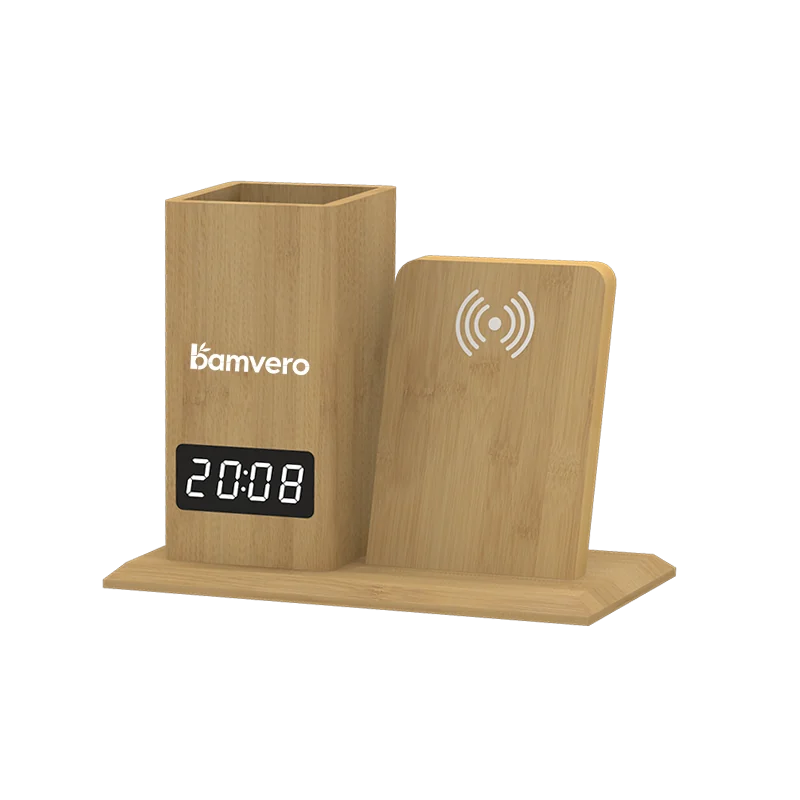
Approve several representative surfaces rather than one ideal unit. Photograph the front, rear, sides, top, bottom and the areas around controls, ports and displays under consistent neutral light. Include a scale or fixed camera distance when size matters.
For every photograph, label the model, finish, date and decision. Create examples for acceptable light, medium and darker appearances when these occur naturally in the selected material. Add separate rejection photographs for cracks, chips, splinters, excessive gaps, glue, scratches and coating faults.
The approved range should be linked to the controlled product specification and sample revision. If the material, coating or process changes, review the visual range again before using it for production.
Approve Logo Contrast on the Real Surface
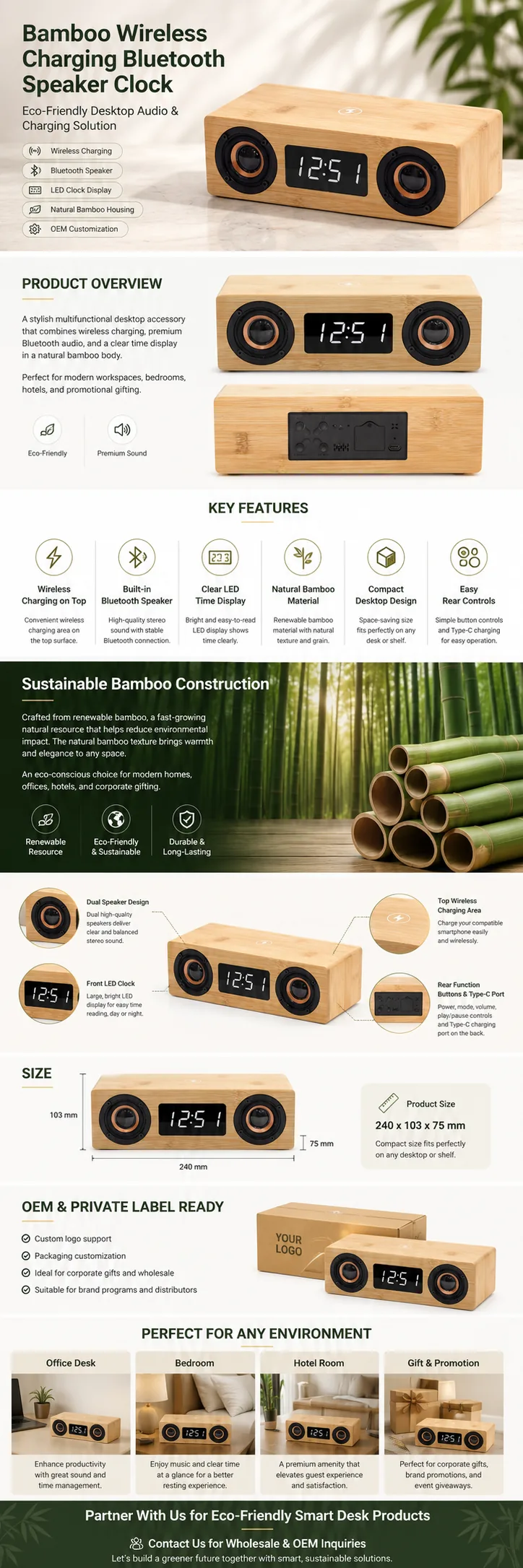
A digital artwork mockup confirms position but not the final visual result. Printing or engraving can look different across changing bamboo grain. Approve the actual process on representative surfaces and record the artwork revision, size, position, orientation and acceptable contrast.
Review the mark at normal viewing distance as well as close up. Check that it does not cover a display, charging indicator, control label or required marking. If a compact product does not support a large mark, use stronger branding on the box, sleeve or insert instead of forcing the logo into a poor location.
Review Edges Openings and Assembly Gaps
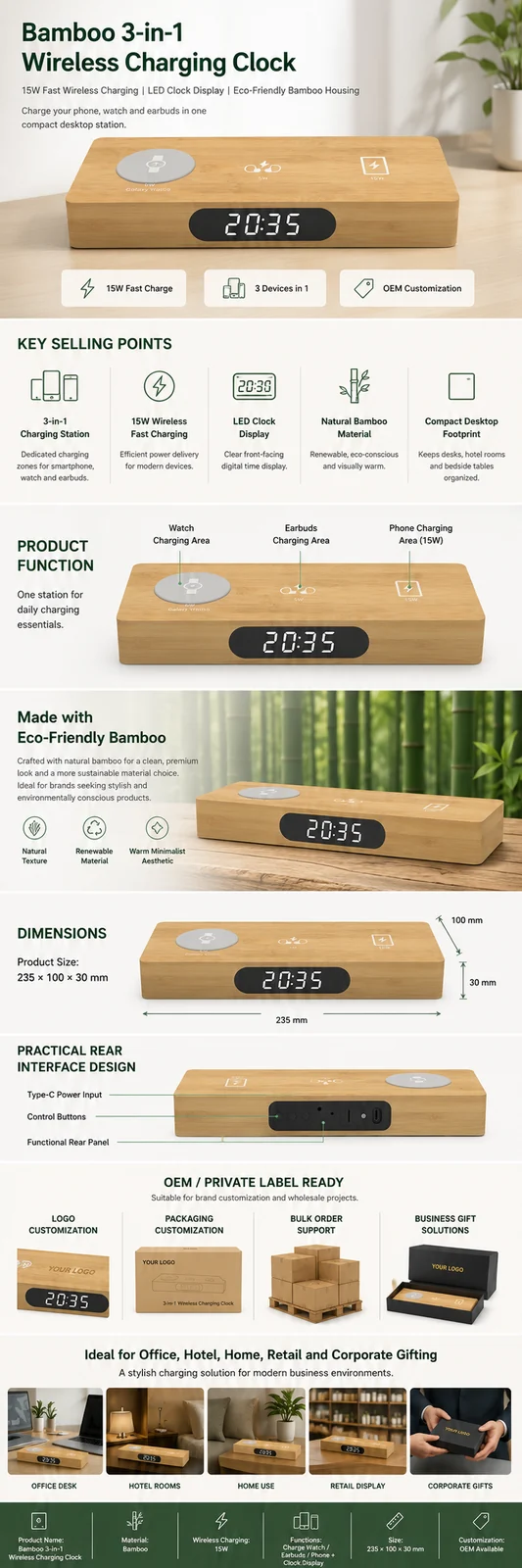
Appearance approval must include functional surfaces. Inspect openings around ports, buttons, displays, speaker grilles and charging areas. Confirm that the finish does not create sharp edges, blocked access or interference with controls.
Measure critical dimensions and gaps with an agreed method. The goal is not to make every natural surface visually identical. The goal is to keep the product safe to handle, correctly assembled and consistent with the approved design. Photographs can guide appearance, while gauges or measurements should control functional clearances.
Connect Appearance to Packaging Protection
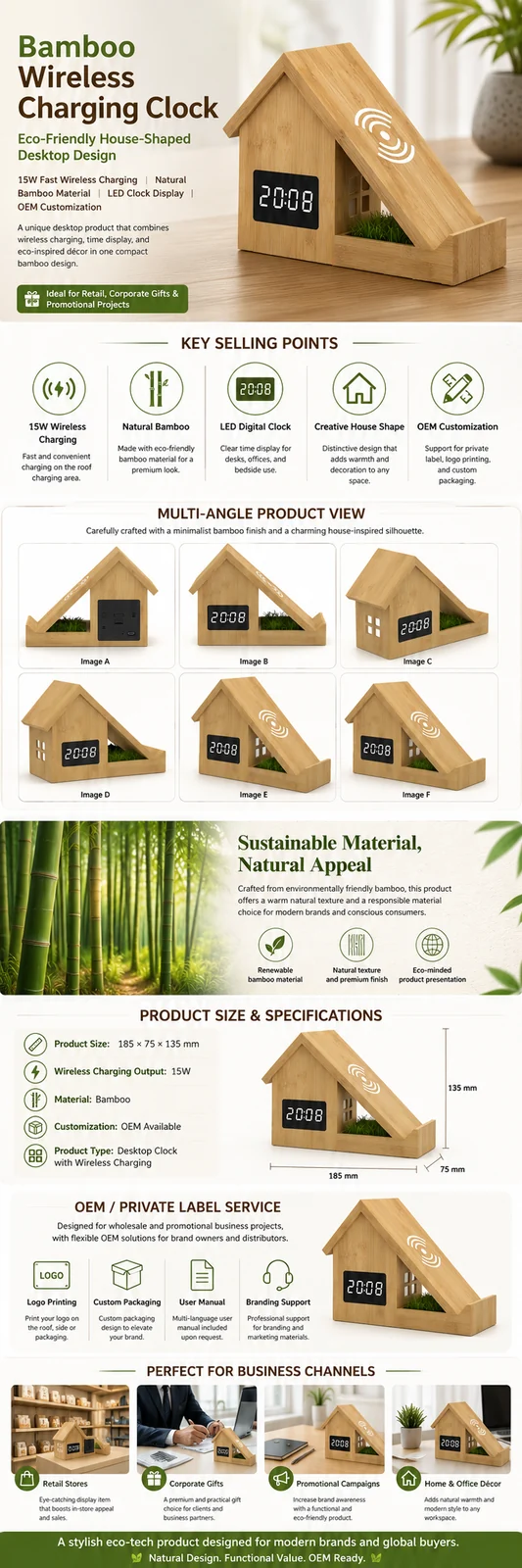
The approved finish can still be damaged after inspection. Review the completed retail pack with the exact cable, adapter, manual and accessories. Confirm that bamboo faces do not rub against hard components and that inserts do not leave pressure marks.
Run a packing trial using production-representative units. Inspect the product again after packing, handling and any agreed transport simulation. If the packaging route changes, check whether surface protection, movement and humidity exposure need to be reviewed again.
Turn the Range Into an Inspection Rule
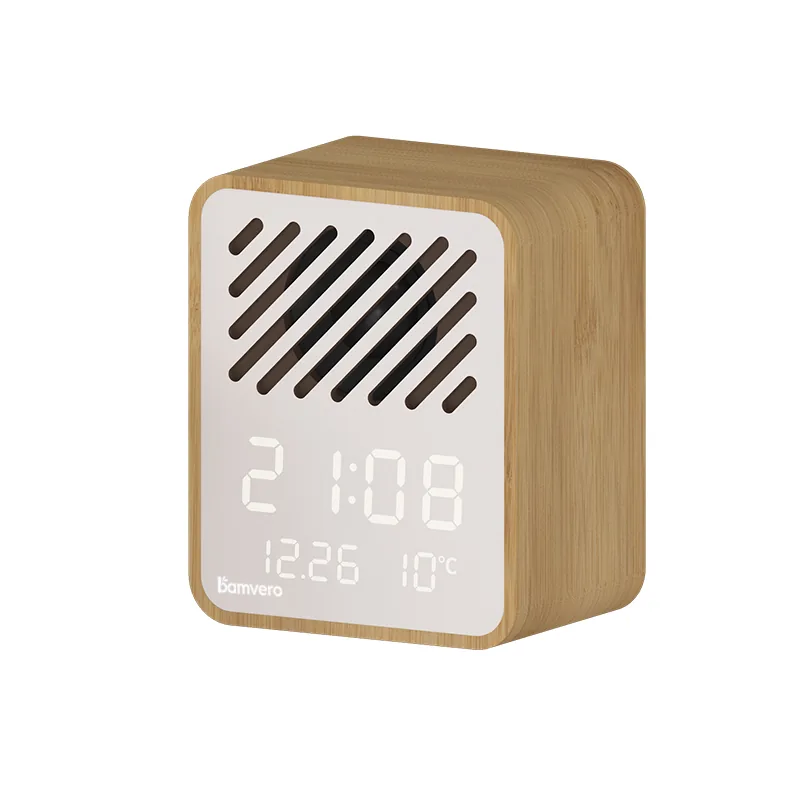
Convert the visual set into a short inspection sheet. Identify each review area, lighting condition, sample size or inspection method, acceptable reference and defect class. Keep natural variation separate from critical, major and minor workmanship issues.
Inspectors should record the model, lot, reference revision, findings and photographs. When a borderline appearance is accepted, state whether the decision applies to the current order only or changes the approved range for future orders. Do not allow private chat messages to become an undocumented permanent standard.
Final Buyer Checklist
- Is acceptable natural grain variation shown with several representative units?
- Are cracks, splinters, chips, glue and coating faults classified separately?
- Has the real logo process been approved on the selected surface?
- Are ports, controls, displays and charging areas included in the visual review?
- Are critical gaps and openings controlled with repeatable measurements?
- Does the final packaging protect every approved bamboo face?
- Can production and inspection teams identify the same revision?
- Are concessions and changes recorded for future repeat orders?
Send Bamvero the exact model, finish direction, logo artwork, packaging route and destination market when requesting a finish review. A controlled visual range makes sampling, production and final inspection more consistent.
Related sourcing resources
Methodology and official references
This guide provides a buyer-side visual-control method. Confirm the exact material, coating, workmanship and inspection requirements for the selected model and order.
Frequently asked questions
Should every bamboo product match one sample exactly?
Do not expect identical natural grain. Approve a representative visual range while controlling cracks, splinters, coating, openings, assembly and other workmanship issues separately.
How many reference samples should buyers approve?
There is no universal number. Use enough representative units and photographs to show the realistic light, medium and darker range for the selected material and process.
Is a digital logo mockup enough?
No. Use it for position, then approve the actual print or engraving process on representative production surfaces and in the final package.
Can photographs control every appearance requirement?
Photographs help with grain, color and visible defects. Critical openings, gaps and dimensions also need repeatable measurements or gauges.
When should the finish range be approved again?
Review it when the material, coating, process, supplier source, logo method or package protection changes, and when repeat-order evidence shows the previous range is unclear.
Build the specification before comparing the final price.
Align the target channel, product functions, destination market, branding and packaging route before approving a sample or bulk quotation.