Bamboo Electronics OEM Pilot Run Checklist Before Mass Production
Use a controlled pilot batch to prove that the approved sample, documents and production process can deliver the same product repeatedly.
A Pilot Run Tests the Production Process
A sample proves that a product direction can be made. A pilot run checks whether the factory can repeat the approved result through the intended production process. This difference matters for bamboo electronics because the final unit combines natural material, electronic modules, assembly, surface finishing, branding and packed accessories.
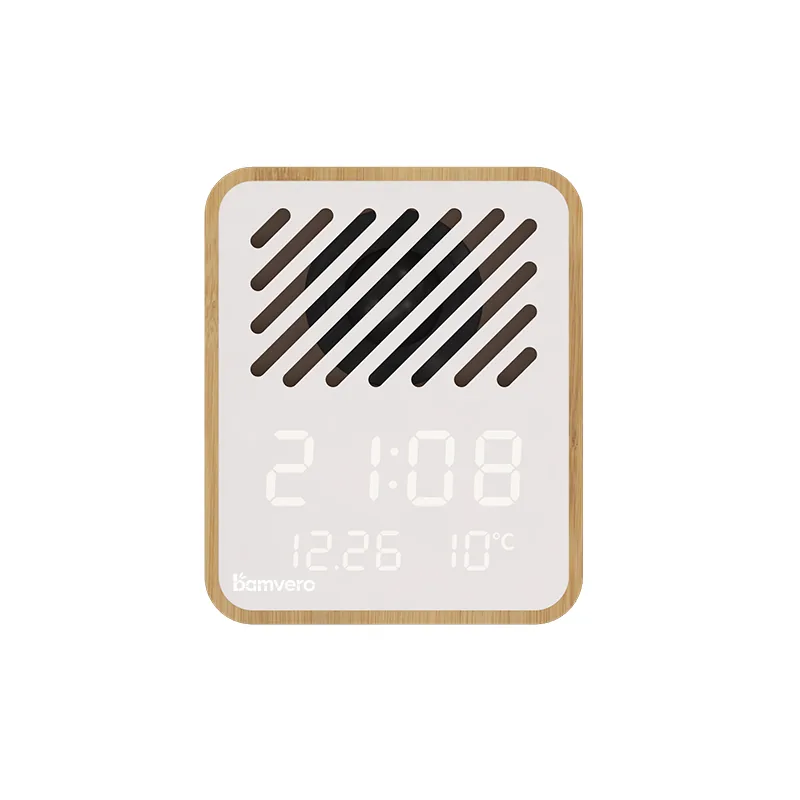
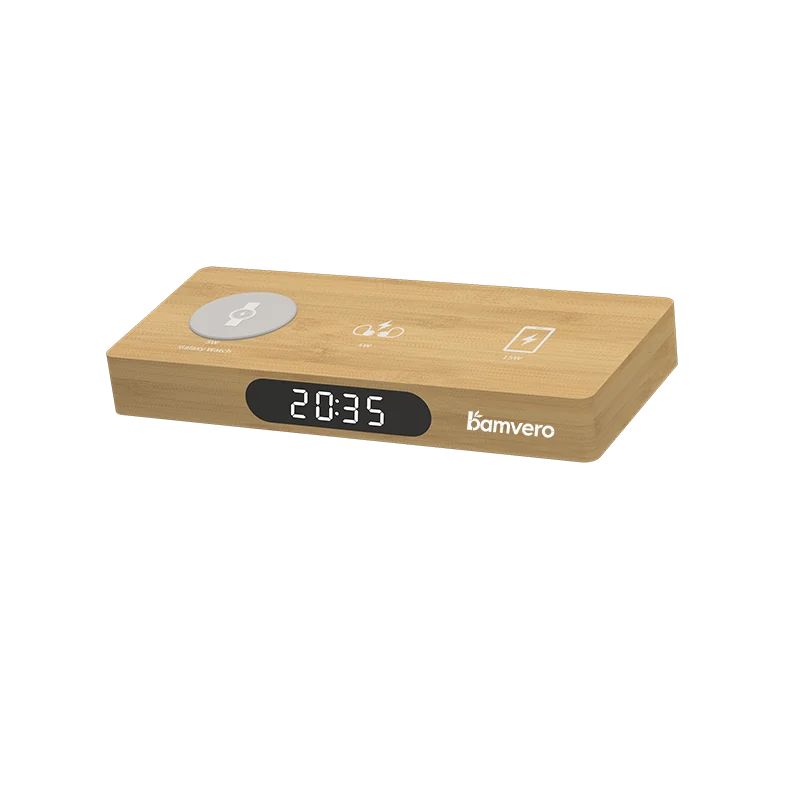
Start with one exact model and revision. A project based on the W118 bamboo wireless charging clock should identify its approved charging configuration, display behavior, power accessories and bamboo finish. Do not mix observations from a similar housing or a previous electronics version.
Define the Pilot Quantity and Purpose
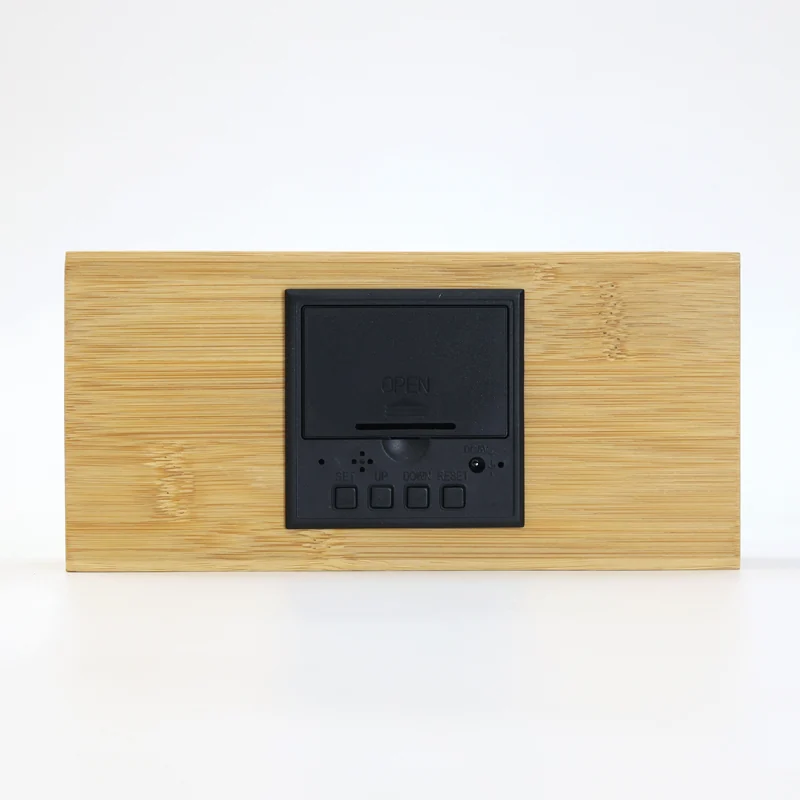
The pilot quantity should be large enough to pass through the real assembly and inspection route, but its purpose is more important than a fixed number. State which risks the run must test: assembly repeatability, functional setup, logo position, finish consistency, packaging speed or inspection instructions.
Separate the pilot from normal samples and full production in the purchase record. Identify who may release the next stage and which unresolved findings will stop scale-up. The OEM RFQ checklist helps buyers define the model, market, functions and packaging before the pilot scope is agreed.
Freeze the Reference Documents
Give the pilot team one controlled document set. It should identify the product specification, approved sample, bill-of-material reference, artwork, labels, manual, packing method and test instructions. Every document needs a revision that the factory and buyer can name.
If the pilot reveals a necessary change, update the affected documents before another run or mass production. Do not leave the correction only in a chat message. The private-label pre-production document checklist explains how to connect specifications, artwork and approvals under one revision route.
Check Assembly at the Workstation
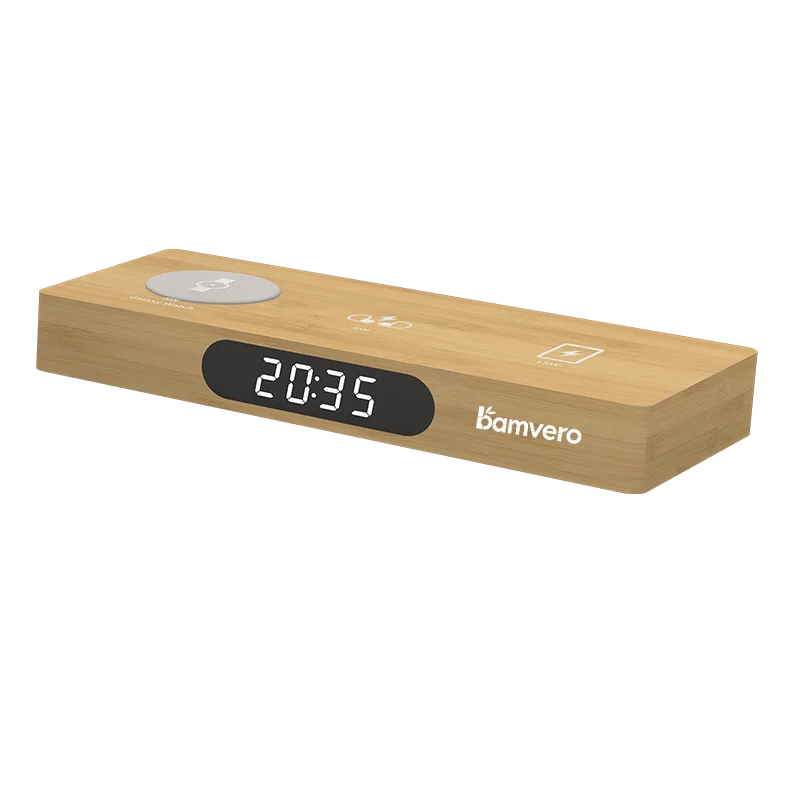
Observe how operators identify parts, orient the housing, route cables and protect visible bamboo surfaces. A unit may pass a final function test while the process still creates avoidable scratches, uneven gaps or pressure on a connector. Record where rework occurs and whether the work instruction prevents the same mistake on the next unit.
Multi-function formats deserve extra attention. The W120 3-in-1 bamboo charging clock combines several device positions and a larger housing, so the pilot should confirm alignment, stability, cable routing and the complete power setup as one configuration.
Test Functions With the Approved Setup
Use the approved adapter, cable, devices, cases and operating steps. Record charging, display, clock, alarm, audio or light functions that apply to the model. A result from an unapproved power source should not replace the project test condition.
Define pass, fail and retest rules before inspection begins. If one fault is corrected, decide whether only that unit or the affected pilot group must be retested. Keep the result tied to the model revision and pilot lot instead of reporting only a general pass percentage.
Review Bamboo Finish as a Controlled Range

Natural bamboo will not match one photograph perfectly. Use several approved units to define an acceptable range for grain and tone, then separate natural variation from workmanship defects. Cracks, splinters, lifted edges, excess adhesive, stains and coating damage need their own rejection criteria.
Compare units under consistent lighting and from normal viewing distance. The bamboo electronics finish approval guide provides a practical way to approve a representative finish range without treating every natural difference as a defect.
Run Branding and Packaging Through Production

Use production artwork and the intended marking process during the pilot. Check logo size, position, contrast and relationship to displays, controls and charging areas. Confirm that operators can reproduce the approved placement without relying on visual guesswork.
Pack the pilot units with the actual cable, adapter scope, manual, labels and inserts. Inspect a completed retail pack and master carton. The packaging check should reveal movement, rubbing, missing accessories, slow packing steps and carton-mark errors before the full order is released.
Turn Findings Into Corrective Actions
List each finding with its product effect, likely cause, owner, correction and verification method. A statement such as “pay more attention” is not a corrective action. The record should show what changed in the material, fixture, work instruction, test step or packing method.
Classify findings by release impact. Some can be closed with a document update and evidence. Others require a repeated sample or another pilot run. Any change to electronics, power accessories, housing dimensions or approved claims should trigger a deliberate review of the affected tests and documents.
Release Mass Production With Clear Conditions
The production release should name the approved model revision, reference sample, pilot lot, open deviations and inspection plan. Purchasing, production and quality teams need the same release record. If a deviation is accepted for the pilot only, mark it clearly so it does not become the standard for future orders.
Send Bamvero the selected model, destination market, quantity range, approved sample status, branding and packaging scope, representative devices and the risks the pilot must verify. That information makes the trial run a production decision tool instead of another informal sample.
Build the specification before comparing the final price.
Align the target channel, product functions, destination market, branding and packaging route before approving a sample or bulk quotation.